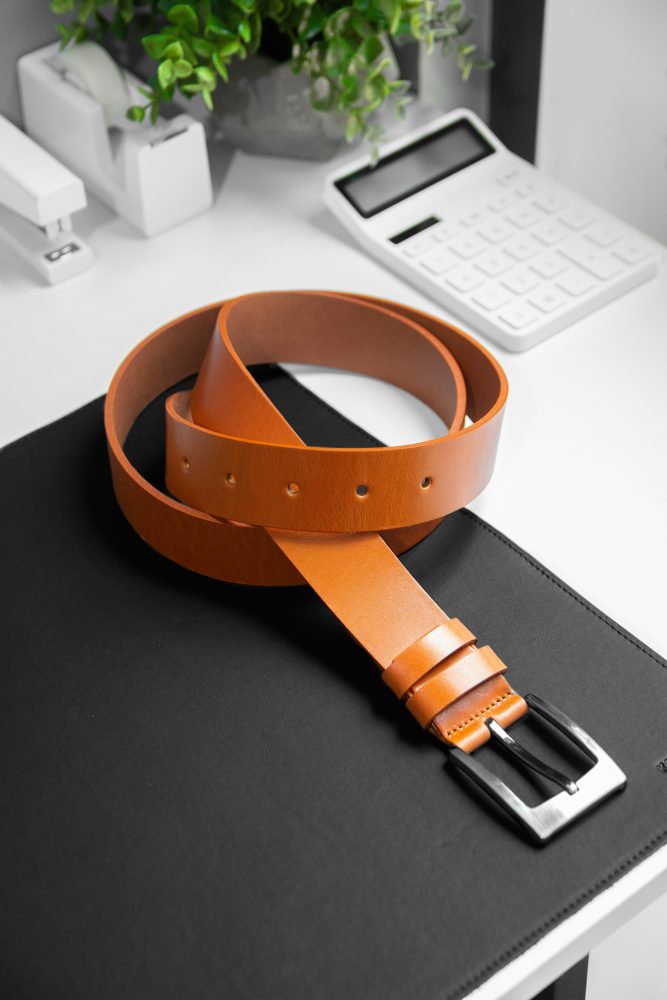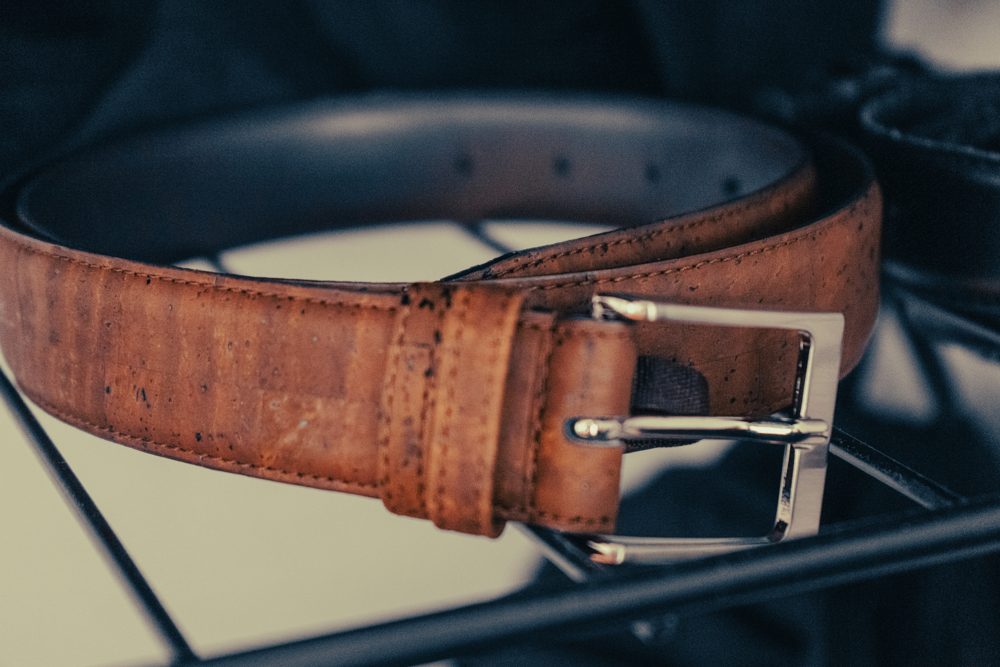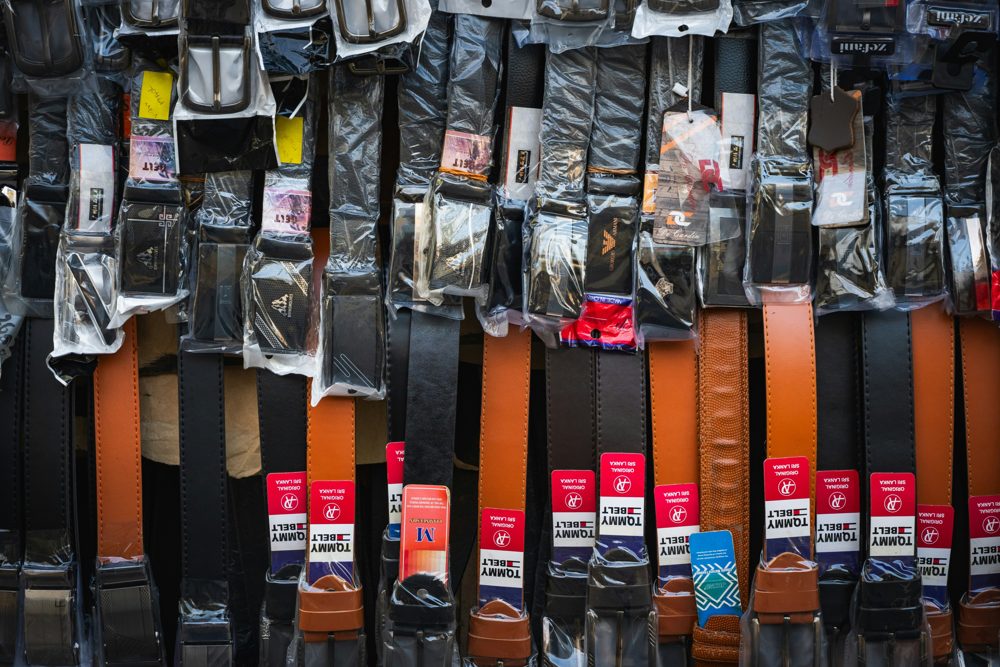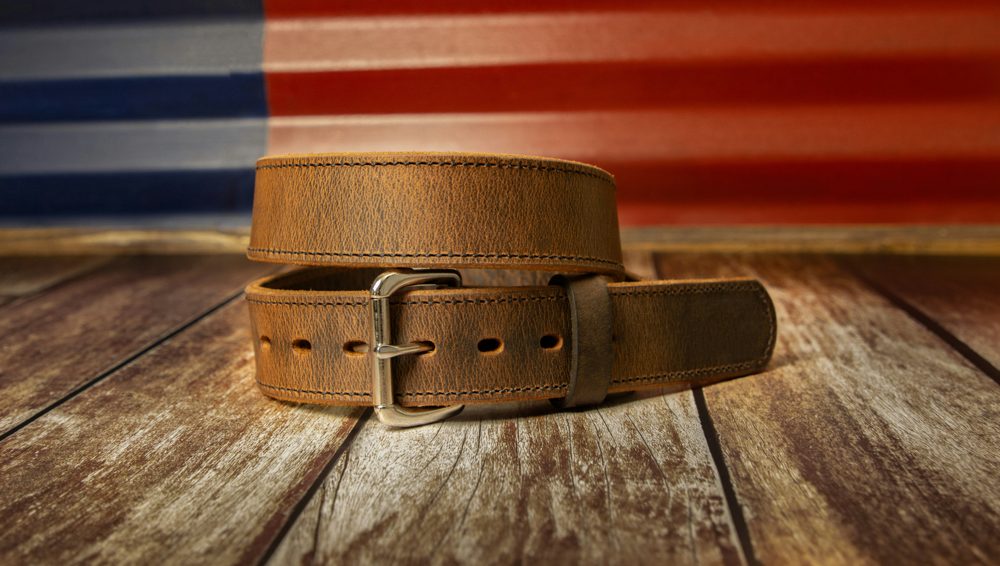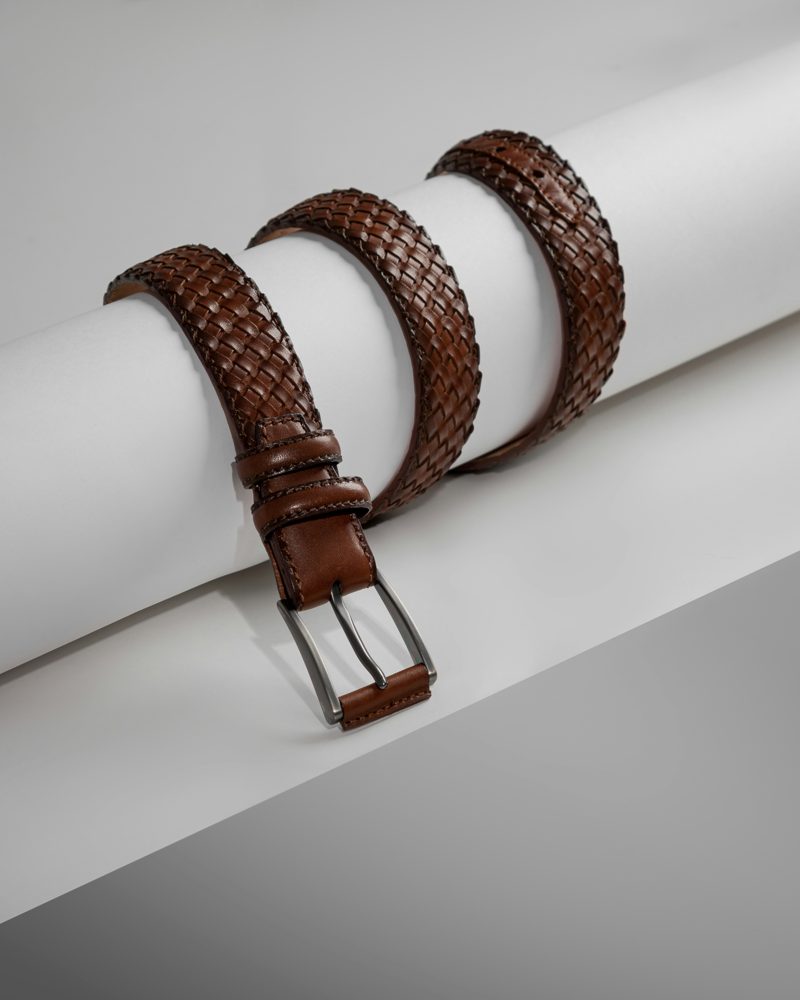
A good belt does two jobs: it holds your trousers in place and it can finish an outfit. The wrong size or width is the most common reason a belt ends up unused. Here is how to choose one you will actually wear.
Getting the size right
Belt sizes can be confusing, because many are based on your waist or trouser size rather than the exact belt length. A simple way to check is to measure a belt that fits you well, from the buckle where the prong sits to the hole you use most. Compare this with the brand's size chart. Aim for a belt that fastens on a middle hole, so you have room to adjust either way.
Pick the width
Check that the belt width fits the belt loops of your trousers.
- Narrow belts, around 1 inch or less, suit dresses, light trousers and belt loops that are small.
- Medium belts, around 1 to 1.25 inches, are the most versatile for jeans and trousers.
- Wide belts define the waist over a dress, coat or long cardigan.
Material and finish
Leather and faux leather are the most common, and a plain finish works with most outfits. Look for details about the leather type and edges. Fabric and woven belts are casual and good for summer. Elastic belts are comfortable and good for dresses and knitwear.
Buckle style
- A classic pin buckle is easy to wear every day.
- A minimal metal tone buckle is the simplest to match.
- A statement buckle is fun, but keep the rest of the outfit simple.
- A buckle-free or magnetic closure creates a smooth, flat look.
Matching metals and shoes
You do not need a belt that matches your shoes exactly. Matching the metal tone to your jewellery or bag hardware looks tidy and thoughtful.
Easy ways to wear a belt
- Over a long cardigan or coat to shape the waist.
- With a shirt dress to add a defined waist.
- Through the loops of straight-leg jeans for a classic look.
- Over a blazer or a tunic, so the belt sits at the natural waist.