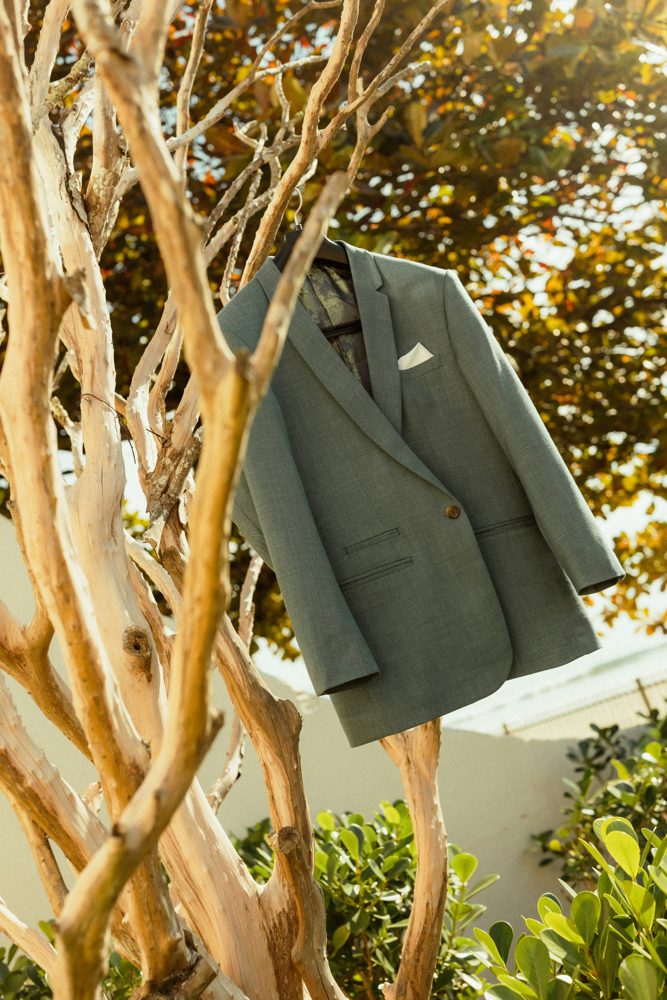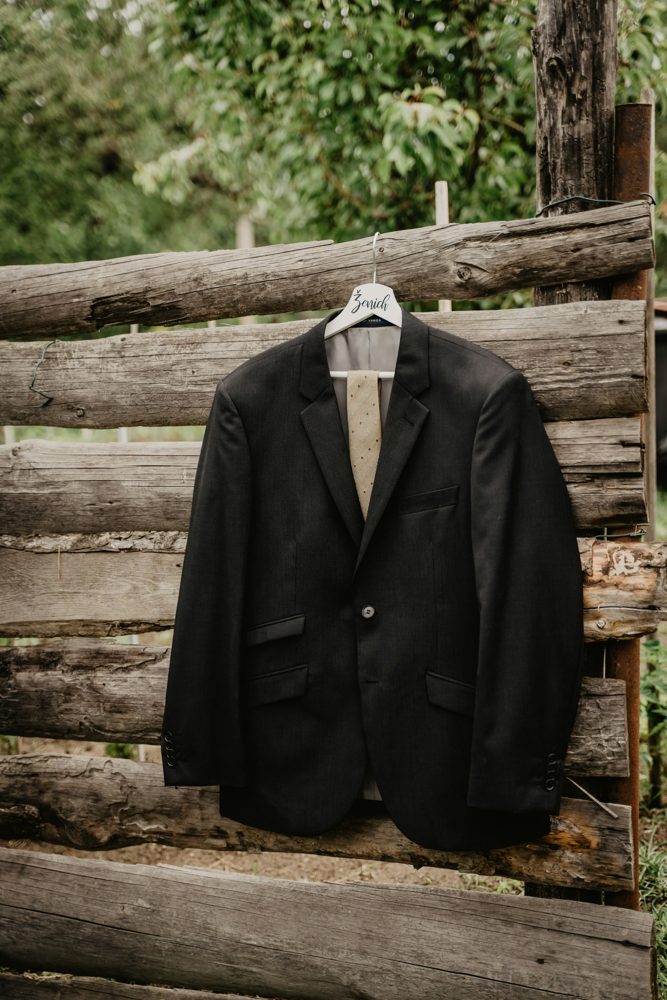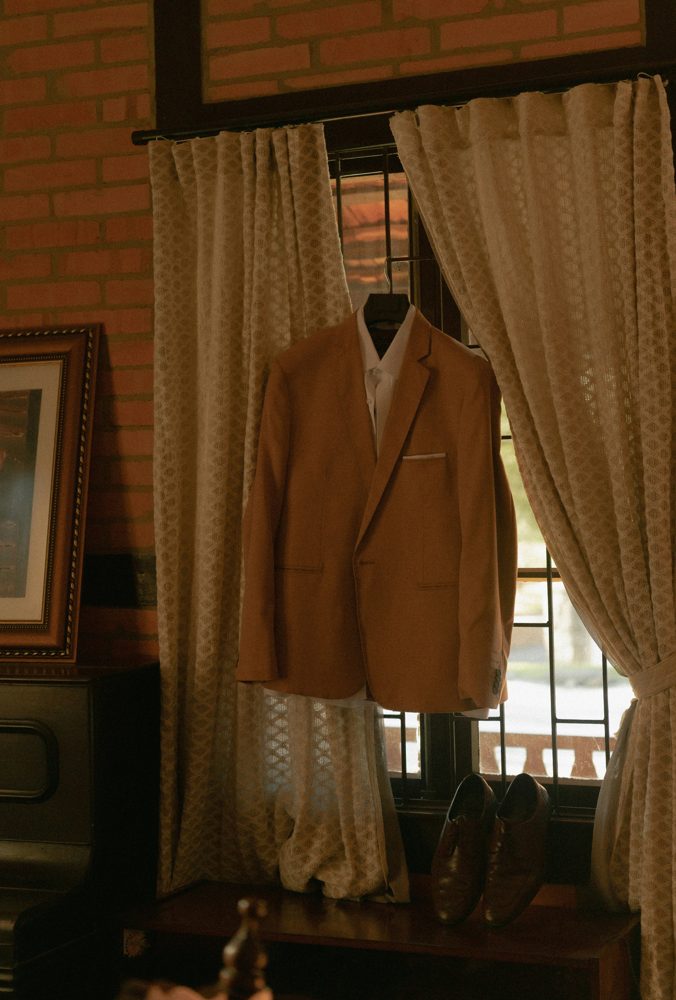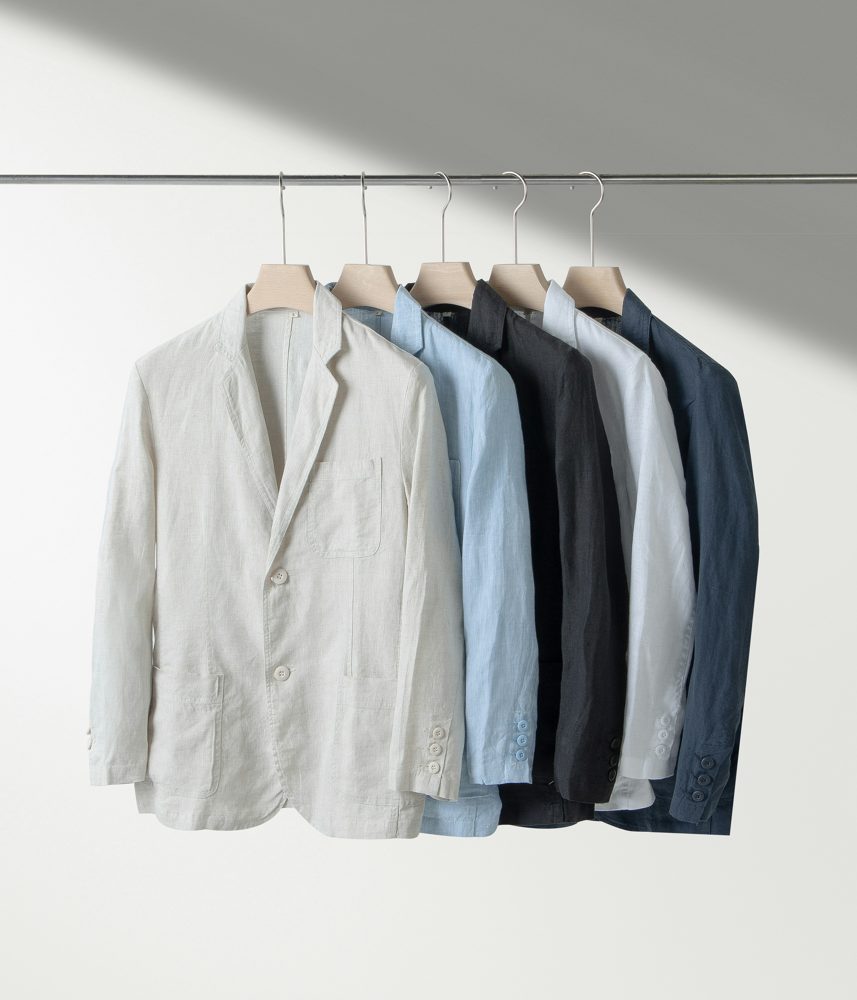
A blazer smartens up jeans and completes a work outfit. The fit at the shoulders and the fabric are what make one look right and last.
Check the shoulders
The shoulder seam should sit close to the edge of your shoulder. If the shoulders fit well, other areas can often be tailored; shoulders are the hardest to change.
Fabric and structure
Wool blends and structured polyester blends hold their shape. Linen blends are cool but crease more. Stretch fabrics are comfortable for long days.
What to compare
- Single or double breasted.
- Lined or unlined: lined blazers drape better and are easier to slip on.
- Pocket type and whether the pockets are functional.
- Length: cropped, regular or longline.
- Care label: some need dry cleaning.
Styling tip
A blazer in a neutral colour works over dresses, tees and knitwear. Roll the sleeves up for a relaxed look.
Getting the length and sleeves right
Sleeves should end at the wrist bone, so that a little of your shirt cuff can show. A regular-length blazer ends around the hip, while a longline blazer reaches the upper thigh and suits slim trousers. A cropped blazer pairs well with high-waisted bottoms and dresses.
Seasonal choices
Lightweight linen or cotton blends are comfortable in summer, though they crease. Wool blends are better for colder months. A lined blazer is more comfortable over a blouse, while an unlined one is cooler and lighter.
How to style it
- Over a white tee and jeans for everyday smart-casual.
- With matching trousers for a suit look.
- Over a dress to make it work-appropriate.
- Draped over the shoulders for a relaxed look.
Care and storage
Use a wide-shouldered hanger to keep the shape. Brush off dust, steam out creases and check the care label before choosing a dry cleaner.
Hanging a blazer
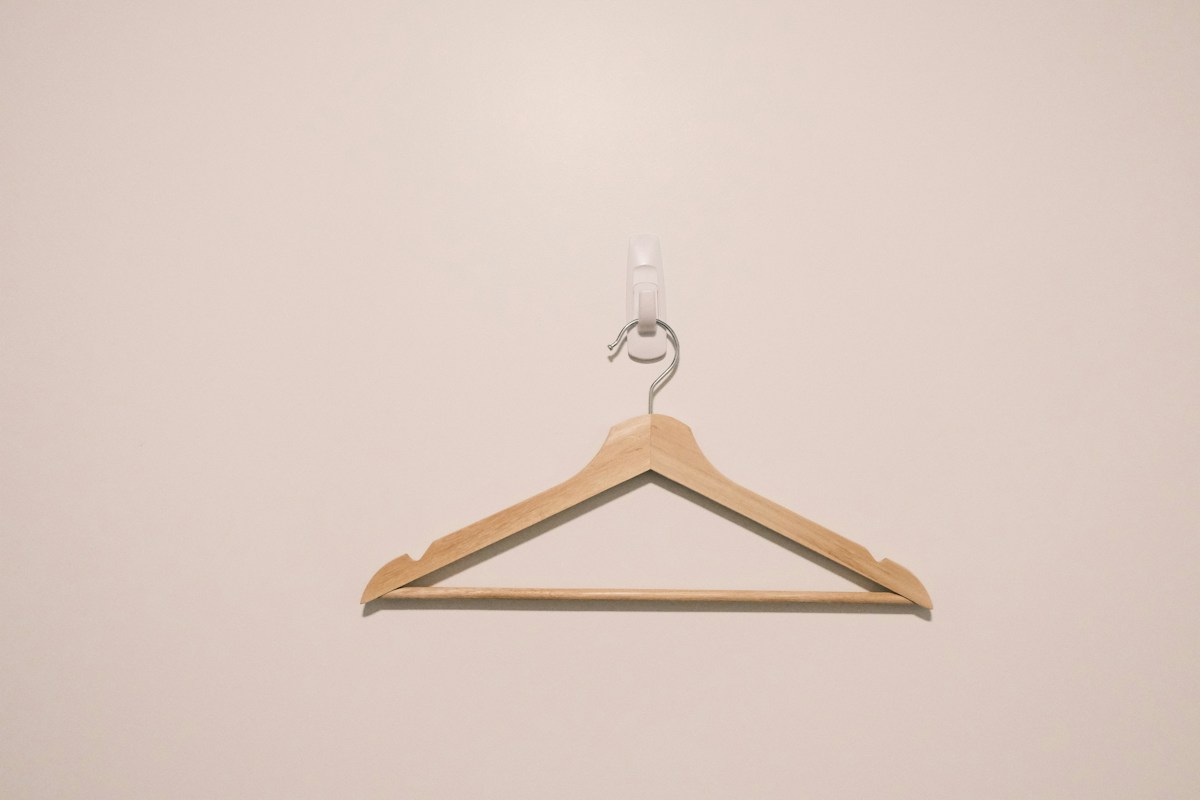
Wooden hangers with wide shoulders support the shape of a blazer. Hang it with the jacket closed or lightly buttoned, and leave space between garments so the fabric can breathe.